Benefits of Staying Active
How Physical Activity Supports Healthy Aging
GENERALHEALTH & WELLNESS
11/20/20253 min read
Benefits of Staying Active: How Physical Activity Supports Healthy Aging
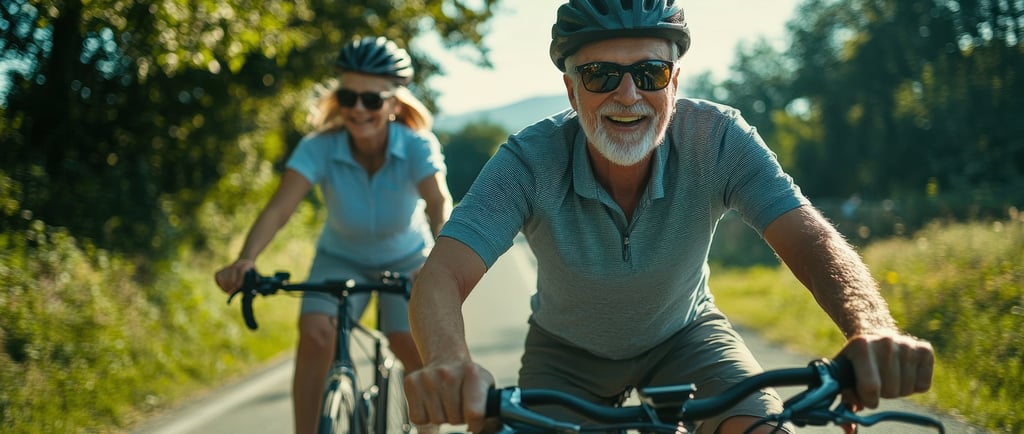
As we age, it’s common to experience changes in our bodies and abilities. However, staying physically active is one of the most important things seniors can do to maintain their health, independence, and overall quality of life. Regular physical activity can enhance physical strength, improve mental well-being, and promote social connections. In this blog post, we will explore the numerous benefits of staying active as we age and provide practical tips for incorporating physical activity into daily routines.
Why Staying Active is Important for Seniors
Improves Physical Health
Engaging in regular physical activity can lead to a host of health benefits. Exercise helps strengthen muscles, improve balance, and enhance flexibility, which can reduce the risk of falls—a common concern for older adults. It also supports cardiovascular health, lowers blood pressure, and helps manage weight.
Boosts Mental Health
Physical activity is not just good for the body; it’s also beneficial for the mind. Exercise releases endorphins, which are natural mood lifters. Staying active can reduce symptoms of anxiety and depression while enhancing cognitive function. Many seniors find that regular exercise helps them feel more energetic and improves their overall outlook on life.
Enhances Social Connections
Participating in group activities or classes can provide valuable opportunities for social interaction. Whether it’s joining a walking club, attending a yoga class, or participating in community events, staying active can help seniors meet new people and build friendships, combating feelings of loneliness and isolation.
Promotes Independence
Maintaining physical strength and mobility is essential for staying independent as we age. Regular exercise can help seniors perform daily activities, such as bathing, dressing, and cooking, with greater ease. This independence contributes to improved self-esteem and a sense of empowerment.
Types of Physical Activities for Seniors
Walking
Walking is one of the easiest and most accessible forms of exercise. It requires no special equipment and can be done almost anywhere. Aim for at least 30 minutes of brisk walking most days of the week to reap the benefits.
Strength Training
Incorporating strength training exercises at least two days a week can help build muscle and maintain bone density. Seniors can use resistance bands, light weights, or even body weight exercises, such as squats and push-ups.
Balance and Flexibility Exercises
Activities like tai chi, yoga, and stretching can improve balance and flexibility, reducing the risk of falls. These exercises can also enhance overall mobility and help seniors feel more agile.
Water Aerobics
Water-based exercises are gentle on the joints and can be an excellent option for seniors with mobility issues. Many community pools offer water aerobics classes that provide a fun and supportive environment for exercise.
Dancing
Dancing is not only enjoyable but also a fantastic way to stay active. Whether it’s ballroom dancing, line dancing, or even just dancing at home, moving to music can boost mood and provide a great workout.
Tips for Staying Active
Set Realistic Goals
Start with small, achievable goals and gradually increase the intensity and duration of your activities. Setting realistic targets can help you stay motivated and avoid injury.
Make It Social
Invite friends or family members to join you in your activities. Exercising with others can make it more enjoyable and help you stay committed to your routine.
Listen to Your Body
It’s essential to pay attention to how your body feels during and after exercise. If you experience pain, discomfort, or fatigue, take a break or modify the activity. Always consult with a healthcare professional before starting a new exercise program, especially if you have any pre-existing health conditions.
Stay Consistent
Aim to incorporate physical activity into your daily routine. Consistency is key to reaping the benefits of exercise. Find activities you enjoy and make them a regular part of your day.
Celebrate Your Progress
Acknowledge your achievements, no matter how small. Celebrating milestones can boost motivation and reinforce your commitment to staying active.
Conclusion
Staying active is one of the best ways for seniors to maintain their health, independence, and overall quality of life. The benefits of regular physical activity extend beyond physical health; they include improved mental well-being, enhanced social connections, and greater self-esteem. By incorporating enjoyable activities into daily routines and setting achievable goals, older adults can embrace a healthier, more active lifestyle. Let’s encourage ourselves and our loved ones to stay active and enjoy the many rewards that come with it!
Help
Reach out anytime for support and care
Contact
Connect
pinnaclealliancefoundation@gmail.com
© 2025 Pinnacle Alliance Foundation. All rights reserved.
763.258.3059